Physical Address


Electric cars (EVs) are becoming more visible in Kenya. Taxi companies are adopting them, startups are entering the space, and global automakers are opening the door to cleaner transport. But behind the excitement, a bigger question remains:
Is Kenya actually ready for electric cars — or are we moving too fast for our current infrastructure?
In this article, we take an honest, balanced look at the opportunities and the real challenges that Kenya faces.
1. EV Adoption Is Growing, but Slowly
More EVs are appearing on our roads, especially:
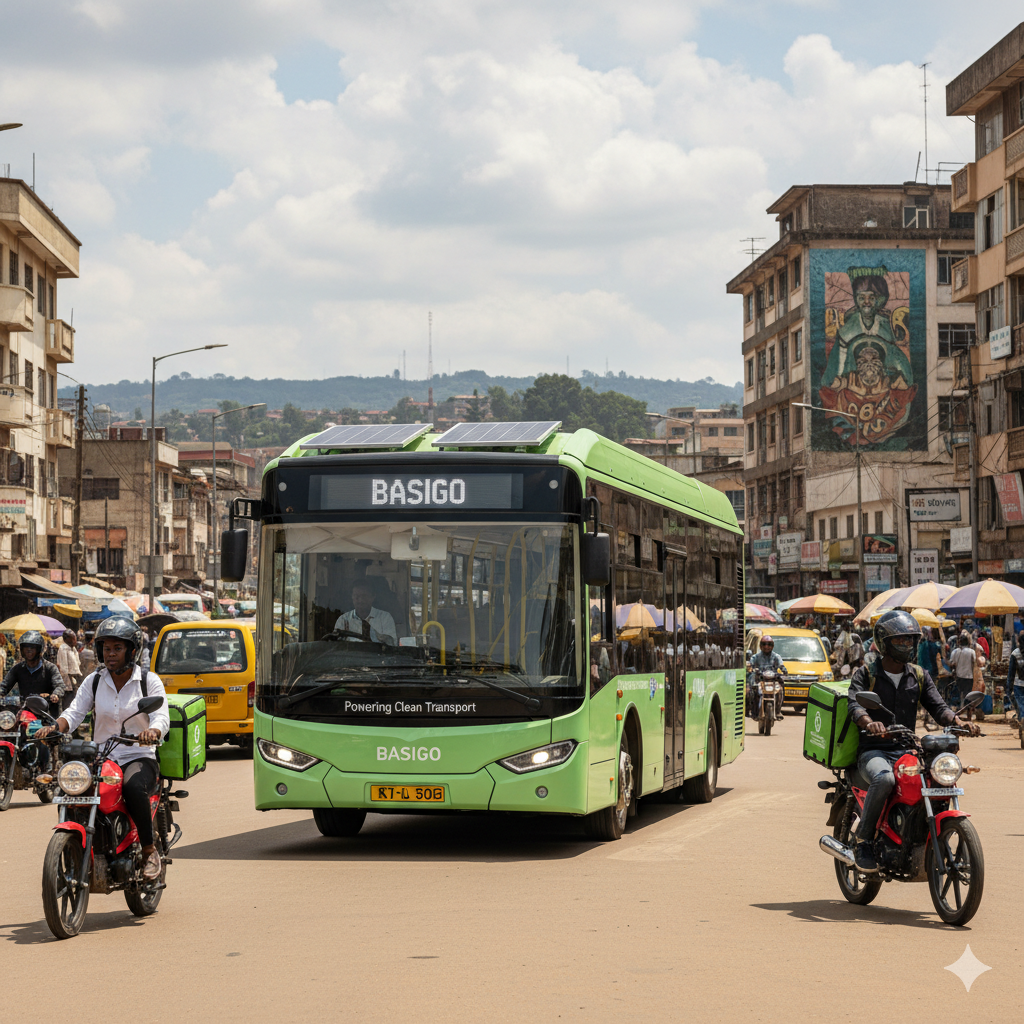
- Electric buses (BasiGo)
- Electric motorcycles (Roam, Ampersand)
- A few private EV cars from importers
Interest is rising — but real mass adoption is still far away. And there’s a reason for that.
2. Kenya Has Clean Energy — But Not Unlimited Energy
Kenya is known for its clean electricity mix: geothermal, wind, and hydro make up a large share.
But here’s the truth most people avoid:
Kenya’s electricity supply is not unlimited or fully reliable.
- We have generation capacity on paper — but it does not automatically mean the grid can handle thousands of EVs.
- Frequent blackouts and voltage drops show weaknesses in reliability.
- Adding high power loads (like fast EV chargers) would increase pressure on certain parts of the system.
So while the energy source is clean, the delivery system is the bottleneck.
3. The Grid Is the Real Challenge — Especially Distribution
Most articles talk about generation capacity, but the real danger is elsewhere:
Kenya’s distribution network is already overloaded in many areas:
- Transformers running near maximum load
- Old or poorly maintained feeders
- Local substations without room for extra demand
- Areas where even normal household power cuts are common
Fast chargers (50 kW, 100 kW, 150 kW) pull enormous power.
Placing many of them without upgrades would:
- overload transformers
- cause voltage instability
- trigger more blackouts
- reduce lifespan of grid equipment
This is why Kenya is not ready for widespread fast EV charging yet.
4. Current Charging Infrastructure Is Still Limited
There are chargers in:
- Nairobi (Karen, Westlands, CBD, malls)
- Mombasa
- Kisumu
- Naivasha
But the network is thin and uneven.
Long-distance EV travel is not practical today.
Even fully electric SUVs with good range cannot rely on consistent public charging outside major cities.
5. EVs Are Cheaper to Run — But Only if Charging Is Available
Electric cars cost less per kilometer:
- Petrol: KES 12–18 / km
- EV charging: KES 3–5 / km
Huge savings — but only if:
- you have home or office charging
- you live in an area with stable power
- you are not relying on public fast charging
For many Kenyans, this is not the case yet.
6. Government Support Is Growing, But Infrastructure Must Lead
Kenya has started:
- lowering EV taxes
- planning more charging stations
- inviting private companies to invest
- updating transport and energy policy
But policy is not enough.
Grid upgrades must come first
Otherwise mass EV rollout could overload the system.
This includes:
- stronger transformers
- upgraded distribution lines
- smart charging management
- energy storage for fast chargers
- widened grid capacity in urban centers
Until this is done, EV expansion needs to stay controlled and realistic.
7. So… Is Kenya Ready for Electric Cars?
Honest answer: Not yet — but we’re moving in the right direction.
Kenya is:
- ready for small-scale EV adoption
- ready for city commuting EVs
- ready for electric motorcycles and buses with controlled charging
Kenya is not yet ready for:
- mass private EV adoption
- nationwide fast-charging networks
- high-power chargers everywhere
- long-distance EV road trips
- tens of thousands of cars charging daily
The grid cannot currently support this without strain or upgrades.
8. What This Means for Car Hire Companies
For companies like Ox Mobility, the smart approach is:
Opportunity areas
- Start with hybrids
- Introduce a small number of EVs later
- Use low-power overnight charging
- Focus on city-only routes and tourists
Avoid for now
- Fast chargers
- Rural EV rentals
- Full EV fleet conversion
- Long-trip EV promises
A cautious, staged approach is the safest and most realistic path — both operationally and financially.
Conclusion
Kenya’s move toward electric vehicles is exciting, and the country has strong long-term potential due to its renewable energy. But we must be honest: our grid, infrastructure, and charging network are not yet prepared for mass EV adoption.
With planned upgrades, proper investment, and smart rollout strategies, Kenya can get there — but it will take time, engineering work, and careful planning.
Did you know?
For now, the biggest wins lie in moderation, not hype.
At Ox Mobility, sustainability isn’t just a buzzword. The green “O” in our logo reflects our dedication to exploring eco-friendly mobility solutions, including electric and hybrid cars. We’re driving Kenya toward a cleaner, greener future — one car at a time.
https://www.esi-africa.com/news/more-charging-stations-rolled-out-for-evs-in-kenya